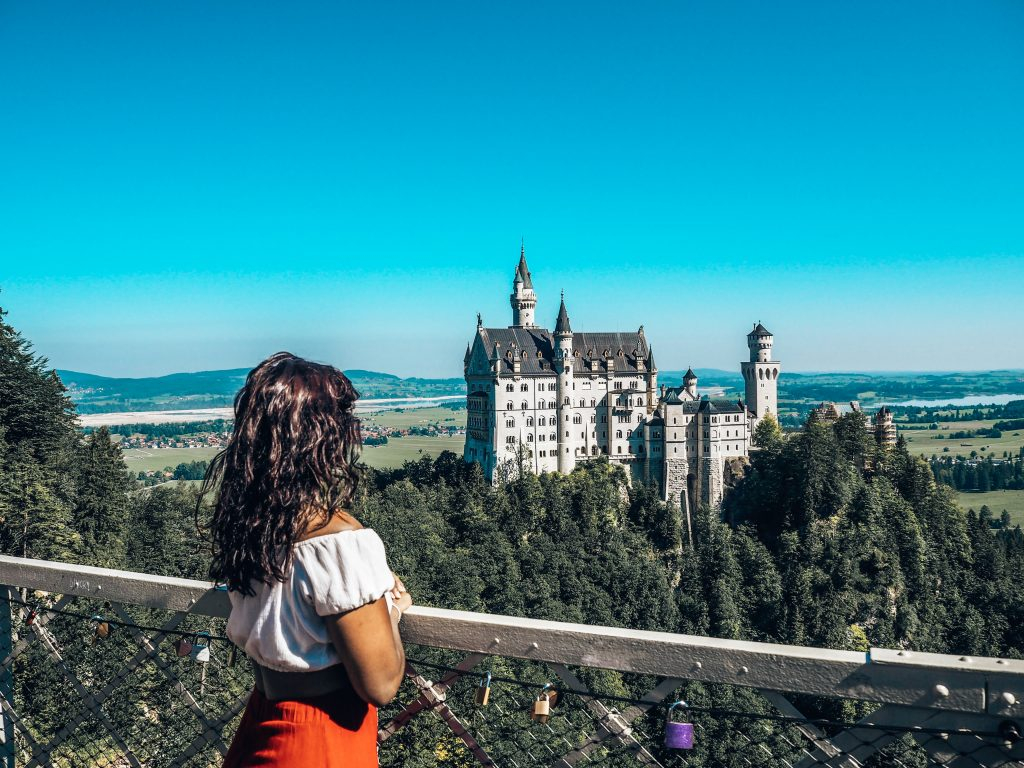
Germany is one of Europe’s easiest countries for solo travel because it combines safety, excellent infrastructure, and cities that work well for independent visitors.
Getting around is simple, major cities are well connected by train, and travelers can plan flexible trips without needing a car.
Public transportation gives solo travelers a major advantage. Trains, trams, buses, U-Bahn systems, and S-Bahn lines make it easy to move across cities and between regions.
Major hubs such as Berlin, Hamburg, Cologne, Frankfurt, Stuttgart, and Munich help travelers build flexible routes.
English is widely spoken in major cities, especially in hotels, hostels, restaurants, museums, airports, and train stations.
Learning a few basic German phrases is still useful, but daily travel tasks are usually manageable without fluent German.
How to Meet People While Traveling Solo
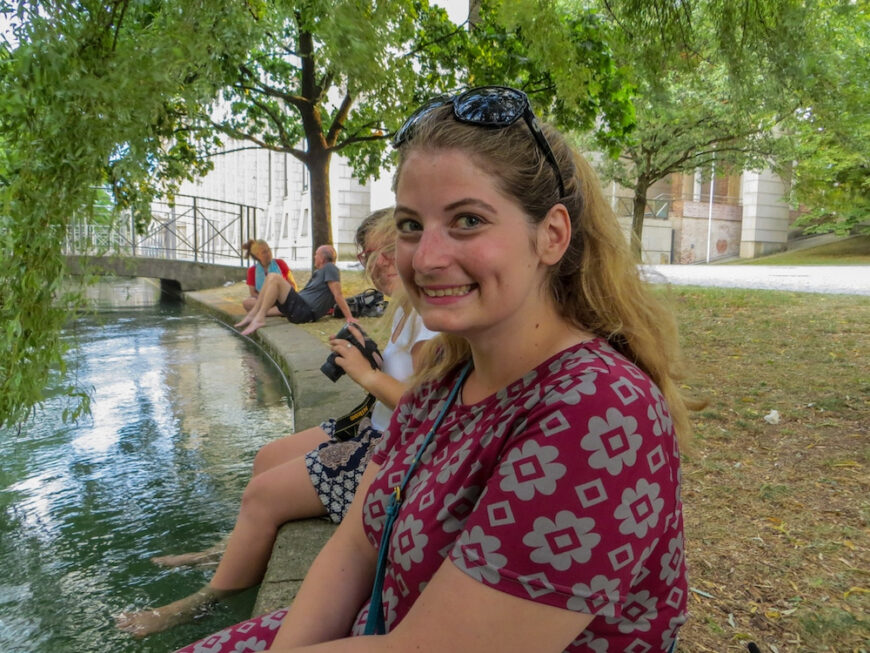
Solo travel in Germany can be as independent or as social as the traveler wants.
Big cities offer hostel events, walking tours, nightlife, and group day trips, while smaller cities give travelers lower-pressure settings for casual conversations.
Social hostels are one of the easiest ways to meet people while traveling alone in Germany.
Hostels with common rooms, shared kitchens, organized events, and bar areas create natural chances for conversation.
Generator, a&o, and MEININGER are examples of hostel brands or properties often known for social spaces.
Free walking tours are another easy option in major cities. Berlin, Munich, Hamburg, Cologne, and many other cities have group tours that attract solo travelers.
Tours help with orientation and often lead to casual conversations afterward.
Good social options vary by city and travel style:
- Berlin pub crawls for nightlife with a group
- Munich beer gardens for communal tables and casual conversation
- Hamburg music venues for social evenings
- Neuschwanstein day trips for structured group travel
- Rhine Valley tours for scenery with other travelers
Beer gardens and Bierhallen can also be social because communal tables are common. Munich is especially good for this, but similar settings exist in other German cities.
Sitting near strangers is normal in many beer garden settings, which lowers the awkwardness of being alone.
Oktoberfest and Christmas market season can make solo travel feel more social. Oktoberfest brings communal tables, festival energy, and travelers worldwide.
Christmas markets create a warm seasonal atmosphere with food stalls, hot drinks, crafts, lights, and public gathering spaces.
Best Cities for Solo Travel in Germany
Germany’s best solo travel cities offer different styles of travel.
Some are better for nightlife and meeting people, while others fit slower days, museums, river walks, or easy day trips.
A good itinerary can combine larger cities with smaller stops so the trip does not feel rushed or repetitive.
Berlin
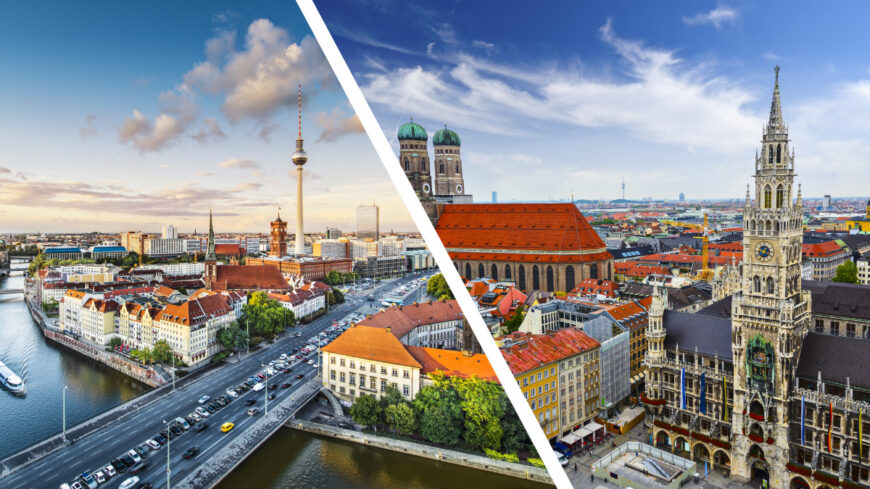
Berlin is one of Germany’s best solo travel cities for history, nightlife, individuality, and meeting other travelers.
Big-city energy, affordable food, major museums, and a large hostel scene make it especially practical for first-time solo visitors.
Solo travelers often choose Berlin because it is easy to build a flexible schedule.
Mornings can focus on history and museums, afternoons can include neighborhood walks, and evenings can be social through hostel events, bars, clubs, or food spots.
Berlin also has a culture that values self-expression, independence, and personal freedom, which can make traveling alone feel natural.
Key places and activities worth adding to a Berlin solo itinerary include:
- Brandenburg Gate for a classic city photo stop
- Berlin Wall Memorial for Cold War history
- Museum Island for art, archaeology, and cultural history
- Kreuzberg for casual food, street art, nightlife, and an international atmosphere
- Free walking tours and hostel events for meeting other travelers
Berlin is especially useful at the start of a solo trip because it helps travelers get comfortable with Germany quickly.
Public transit is extensive, budget food is easy to find, and the city has enough variety to fit different travel styles.
Munich
Munich is a strong choice for solo travelers interested in Bavarian culture, museums, beer gardens, and easy day trips.
Adult travelers interested in private companionship can also research local options such as escort München before planning an evening in the city.
City streets are clean and organized, public transportation is reliable, and many main sights are concentrated around the old town.
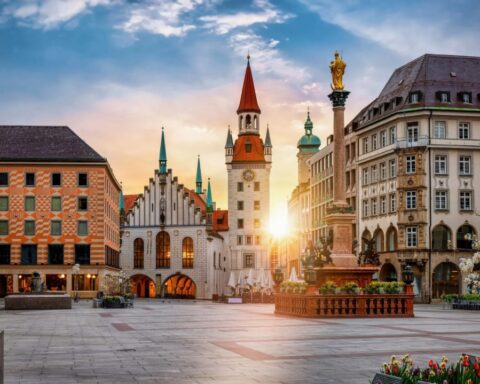
Marienplatz is a natural starting point for solo visitors. Central streets around it lead to churches, shops, cafes, restaurants, and historic squares.
English Garden gives travelers a large green space for walking, relaxing, and people-watching. Viktualienmarkt is a good stop for casual food, snacks, and local specialties.
Communal tables make it normal to sit near other guests, which can help solo travelers feel less isolated. Travelers who do not drink can still enjoy the food, setting, and local culture.
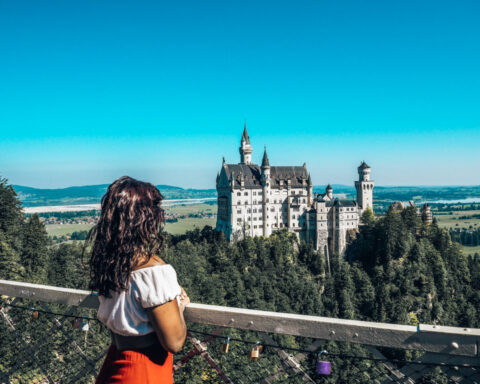
Munich also works well as a base for day trips. Neuschwanstein Castle is one of the most popular options, and Alpine scenery is easy to add through organized tours or train travel.
Museums, royal palaces, and nearby lakes also give solo travelers plenty of choices for slower days.
Hamburg
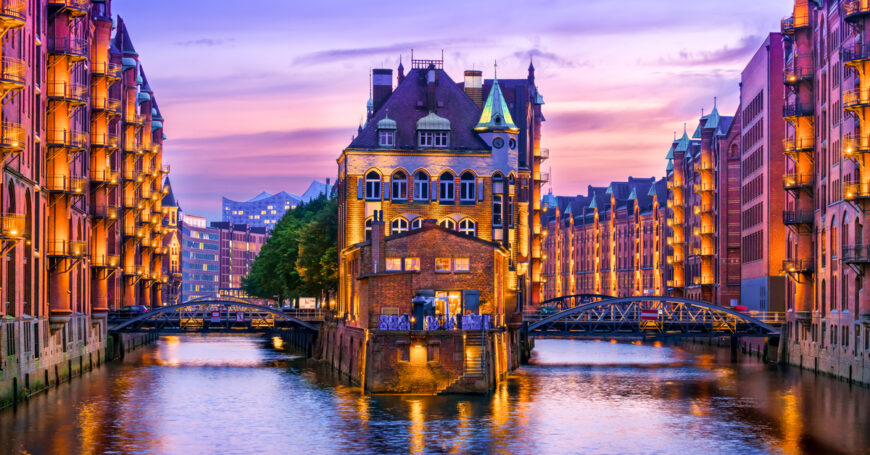
Hamburg is ideal for solo travelers who like waterfront views, food, music, and nightlife. Port-city character gives Hamburg a different feel than Berlin or Munich, with canals, warehouses, harbor areas, and maritime culture shaping much of the visit.
Speicherstadt is one of Hamburg’s top areas for walking and photography.
Brick warehouses, canals, bridges, and museums make it a strong solo sightseeing area. Elbphilharmonie adds modern architecture and city views near the harbor.
St. Pauli is known for bars, music venues, and nightlife, making it a good area for social evenings.
Several Hamburg experiences work especially well for people traveling alone:
- Harbor tours, since joining a group boat trip requires little planning
- Sunday fish market, especially for early risers interested in food and local activity
- Speicherstadt walks for canals, bridges, and warehouse architecture
- St. Pauli evenings for bars, live music, and nightlife
Hamburg fits travelers who want relaxed sightseeing mixed with food, music, and waterfront areas. City walks, cafes, harbor views, and nightlife make it easy to spend several days alone without feeling stuck.
Heidelberg
Heidelberg is best for travelers who want a slower and more intimate solo travel experience. University-town energy, castle ruins, riverside walks, and a compact old town make it easy to navigate without stress.
Heidelberg Castle is the city’s main sight and gives wide views over the old town and Neckar River.
Old Bridge is another key stop, especially for photos and quiet walks. Philosopher’s Walk is popular with solo travelers because it offers peaceful paths and scenic city views.
Old Town cafes, bookshops, small restaurants, and historic streets make Heidelberg comfortable for two or three days.
Solo travelers can slow down here after bigger cities like Berlin, Hamburg, or Munich. Small size also helps reduce planning stress, since many major areas are reachable on foot.
Heidelberg is a good choice for anyone who wants a calmer stop with history, riverside scenery, and an easy daily rhythm.
Cologne
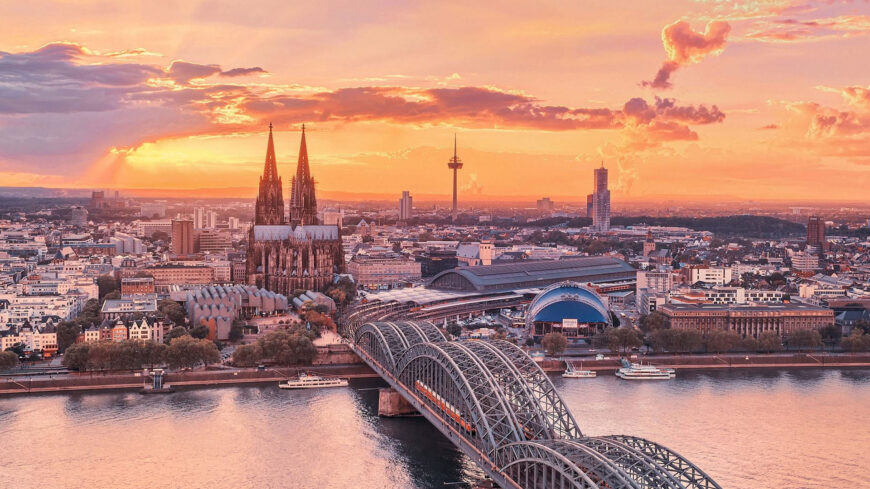
Cologne works well as a short, social city stop, especially on a western Germany train route.
Cathedral sightseeing, Rhine River walks, casual beer halls, and quick train links make it practical for solo travelers.
Cologne Cathedral is the city’s most famous sight and sits near the main train station, making arrival simple.
Rhine River paths are good for walking, relaxing, and getting oriented. Old Town beer halls offer a casual social setting where travelers can try Kölsch and local food.
Nearby places make Cologne easy to add to a wider route:
- Düsseldorf for art, shopping, riverfront areas, and nightlife
- Bonn for museums and Beethoven-related sights
- Rhine Valley towns for river views, castles, vineyards, and boat trips
Cologne is useful as a base or a quick stop between larger destinations. Solo travelers who prefer flexible pacing can spend one or two nights here and still see the main sights without rushing.
Best Train Routes for Solo Travelers
Germany’s train network makes multi-city solo trips easier than in many other European countries.
Routes can be built around big cities, smaller towns, castles, river scenery, or northern port culture.
Picking a route with manageable travel times helps solo travelers avoid fatigue and keep the trip enjoyable.
Classic First-Time Route
Berlin to Hamburg to Cologne to Heidelberg to Munich
A classic first-time route gives solo travelers a balanced look at Germany. It combines major cities, nightlife, history, smaller-town beauty, Rhine scenery, and Bavarian culture.
Berlin gives the trip history, museums, nightlife, and a strong hostel scene. Hamburg adds waterfront views, port culture, food markets, and music. Cologne brings cathedral sightseeing, Rhine walks, and casual beer halls.
Heidelberg offers a slower stop with castle ruins, riverside paths, and old-town cafes. Munich ends the route with Bavarian culture, museums, beer gardens, and day trips.
A route like this works especially well because it balances pace and variety. Busy social cities are spaced with quieter stops, so solo travelers get both energy and downtime.
Southern Germany Route
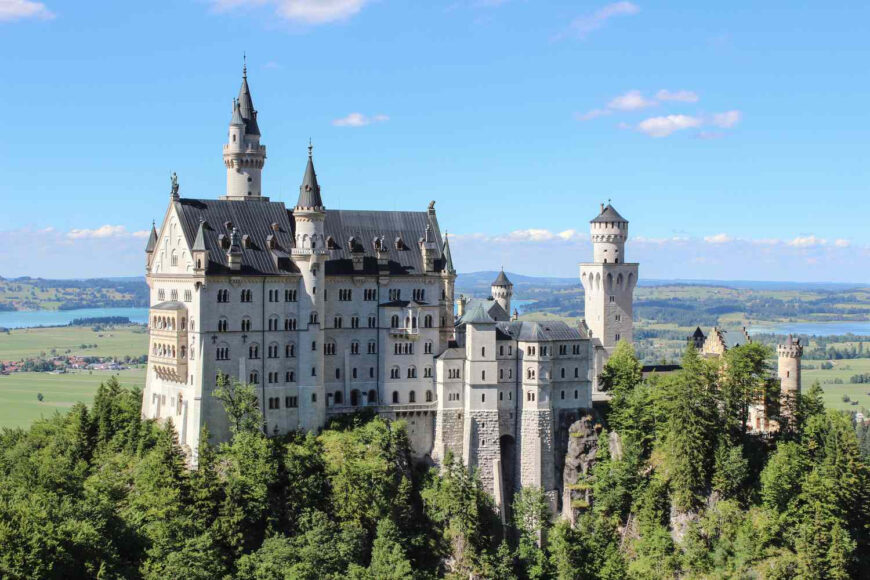
Frankfurt to Heidelberg to Stuttgart to Munich to Füssen
A southern Germany route is best for travelers interested in castles, old towns, museums, and Alpine scenery. Frankfurt, Stuttgart, and Munich are major rail hubs, which makes planning easier.
Frankfurt is a practical arrival point because of its major airport and train links.
Heidelberg adds castle ruins, riverside walks, and a relaxed university-town setting. Stuttgart is useful for travelers who want car museums, especially those interested in Mercedes-Benz or Porsche.
Munich adds beer gardens, museums, historic squares, and easy regional transit. Füssen is the gateway for Neuschwanstein Castle and nearby Alpine views.
Travelers planning this route can give each stop a clear purpose:
- Frankfurt for arrival logistics and rail connections
- Heidelberg for old-town walks and castle views
- Stuttgart for car museums
- Munich for beer gardens, museums, and culture
- Füssen for Neuschwanstein Castle and Alpine scenery
Practical long-distance ICE rides include Frankfurt to Stuttgart and Stuttgart to Munich. Regional train connections can handle smaller stops and castle access.
Northern Germany Route
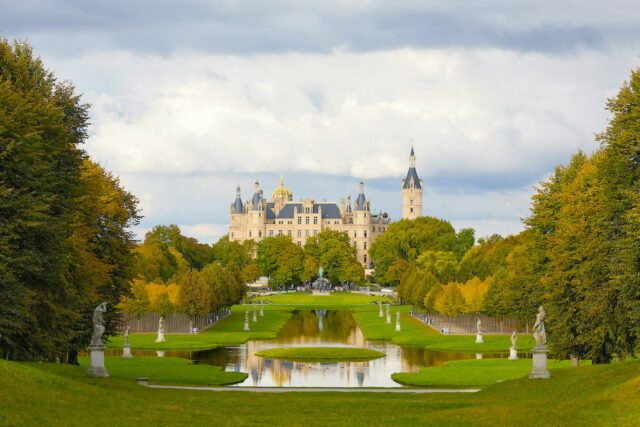
Berlin to Hamburg to Lübeck to Bremen
A northern Germany route is best for port cities, architecture, food, and relaxed sightseeing. It is a strong option for solo travelers who prefer scenic city walks, markets, and less castle-focused travel.
Berlin starts the route with history, nightlife, and major museums.
Hamburg works especially well as a northern base because of its waterfront energy, Sunday fish market, Speicherstadt, and St. Pauli nightlife.
Lübeck adds historic streets, brick architecture, and a slower pace. Bremen gives travelers another compact city stop with old-town streets, markets, and easy walking routes.
Solo travelers who enjoy food markets, cafes, harbor areas, music, and architecture may find this route especially comfortable.
Travel days are also manageable, which helps keep the itinerary relaxed.
Western Germany Route
Cologne to Düsseldorf to Bonn to Rhine Valley
A western Germany route is best for short train rides, river views, cathedrals, museums, and wine towns.
Travel distances are shorter than on many other routes, which helps solo travelers keep the itinerary relaxed.
Cologne is a good starting point because of its cathedral, train links, Rhine paths, and beer halls. Düsseldorf adds art, shopping streets, modern riverfront areas, and nightlife.
Bonn gives travelers museums, Beethoven-related sights, and a calmer city feel. Rhine Valley towns add river scenery, castles, vineyards, and boat-trip options.
A western route works well as a shorter solo trip or as an add-on after Berlin or Hamburg. Easy day trips make it useful for travelers who do not want to change hotels too often.
Safety Tips for Solo Travel in Germany
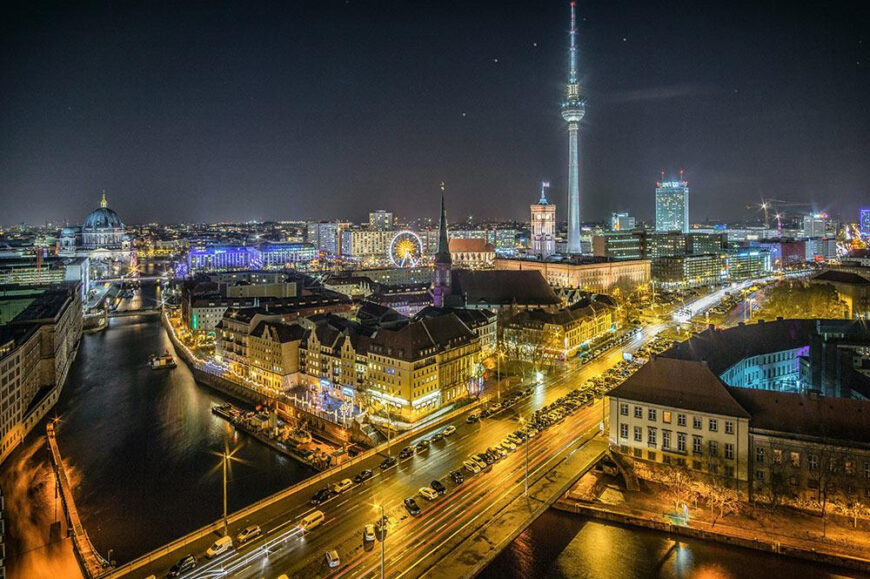
Germany is generally comfortable for solo travelers, but basic safety habits still matter.
Most trips are smooth when travelers choose good accommodation, stay aware in crowded areas, and plan late-night transportation in advance.
Travelers should choose well-reviewed accommodations in convenient areas, especially when arriving late.
Staying near public transportation can make evenings easier and reduce long walks with luggage.
City awareness matters in busy areas such as train stations, nightlife districts, markets, and crowded transit. Pickpocketing can happen in crowded tourist zones, so bags should stay zipped and valuables should be kept secure.
A few habits can make solo travel safer and easier:
- Keep digital and offline copies of important documents
- Save accommodation details before leaving each city
- Carry a portable battery on long travel days
- Use lockers in hostels when available
- Check late-night transit routes before going out
Train stations are useful but can feel hectic, especially late at night.
Large stations such as Berlin Hbf, Hamburg Hbf, Frankfurt Hbf, Cologne Hbf, and Munich Hbf have shops, platforms, exits, and transit links spread across multiple levels.
Summary
Germany is one of Europe’s easiest countries for solo travel because it is safe, well-connected, and comfortable for independent visitors.
Strong public transportation, major rail hubs, reliable hostels, and social city activities make planning simpler.
Simple habits make the trip smoother.
Choose well-reviewed accommodation, pack light, plan city-to-city travel carefully, and leave room for flexible social opportunities.
With the right route and practical planning, solo travel in Germany can feel flexible, social, and low-stress.