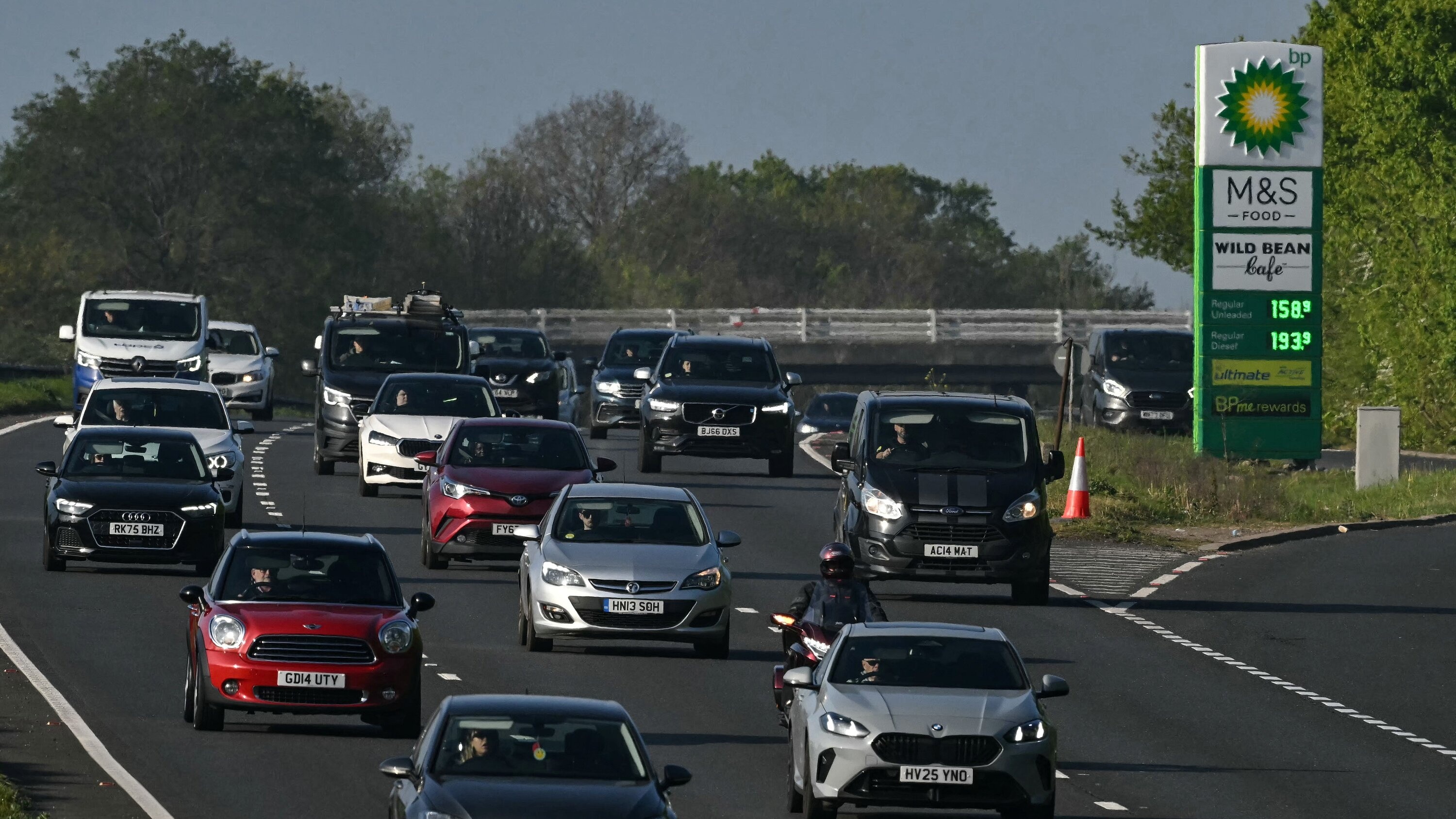
Have you ever looked at your fuel receipt and thought, “Okay… something else has to give this week”? I have. And I notice the same pattern almost every time. I don’t stop going out entirely, but I start adjusting without even thinking too much about it.
That small shift is exactly what restaurants feel. Not a sudden drop, but a quiet squeeze. Fewer visits, smaller orders, different choices. It is subtle, but it adds up.
Let’s walk through what is really happening here, because it is not as straightforward as people think.
Why fuel prices shape dining habits
When fuel prices rise, it rarely leads to a dramatic change overnight. People still value convenience, social time, and eating out. But budgets are not flexible forever.
Think about your own routine for a second. If fuel costs take a bigger portion of your monthly spending, where do you adjust first?
For many people, it is:
- one less dinner out during the week
- choosing a cheaper place instead of a full-service restaurant
- skipping delivery and picking up food instead
Research supports that behavior. When fuel costs rise, consumers often look for areas to trim spending, and restaurant visits become one of the easiest adjustments.
What makes it interesting is that dining out does not disappear. It shifts.
The subtle shift restaurants are forced to manage
Here is where things get more nuanced, and honestly, this part is often misunderstood.
Some analysts say there is no strong long-term link between fuel prices and restaurant traffic.
And they are not wrong. Over many years, the relationship is inconsistent.
But short-term behavior tells a different story.
Where the pressure actually shows up
Once fuel prices reach certain levels, around the mid to high range, restaurants begin to feel the change more clearly:
- casual dining sees fewer visits
- family restaurants lose repeat customers
- quick-service restaurants often gain traffic
Data shows that when fuel prices climb past certain thresholds, traffic declines become more noticeable, especially for full-service dining.
And that leads to something important.
When spending gets tight, people do not stop eating out. They adjust how and where they do it.
That adjustment is what the industry calls “trading down.”
How smart restaurant marketing responds to this shift

If you run a restaurant, or even if you are just curious how brands react, this is where strategy comes in.
You cannot control fuel prices. But you can control how customers feel about spending money with you.
That is why many operators focus heavily on restaurant marketing that emphasizes value, convenience, and clarity. You will notice more bundle offers, simplified menus, and messaging that makes decisions easier. The focus is not just attracting customers, but giving them a reason to choose you when budgets are tight.
From what I have seen, the brands that stay visible and practical during these moments tend to hold on to their audience better.
Not all restaurants feel the pressure equally
This part is important, because it explains why some places feel busy while others struggle.
Let’s look at how different segments react.
Casual and family dining
These are the most sensitive to rising fuel costs.
People treat them as optional spending. So when budgets tighten, visits drop faster here.
Quick service and fast casual
These often benefit.
Customers still want convenience, but at a lower price point. So traffic shifts rather than disappears.
Fine dining
This segment is more stable.
Higher-income customers are less affected by fuel costs, so their habits stay relatively consistent.
If you think about your own circle, this probably makes sense. People adjust based on what feels “easy to cut,” not necessarily what they enjoy the most.
A quick look at how behavior changes

Sometimes it helps to see this in a simple format. Here is a basic breakdown of what tends to happen:
| Situation | What people do |
| Fuel prices rise slightly | No major change |
| Fuel prices stay high for weeks | Fewer visits |
| Budget pressure increases | Choose cheaper options |
| Continued high costs | Shift to quick-service |
After this shift, restaurants have to respond quickly. If they don’t, traffic drops can last longer than expected.
And here is something worth thinking about. These changes are often gradual. That makes them harder to notice until they become a pattern.
What restaurants are doing to keep traffic steady
Restaurants are not passive in this situation. Most of them react fast.
From what I have seen, the most common adjustments include:
- introducing value menus or combo deals
- focusing on speed and convenience
- reducing menu complexity to control costs
- offering limited-time promotions to drive visits
There is also a strong push toward perceived value. Not just price, but what the customer feels they are getting for that price.
Industry data shows that when fuel costs rise, delivering strong value becomes critical to maintaining customer visits.
And honestly, as a customer, you can feel this shift. You start noticing deals more. You compare options more. You think a bit longer before ordering.
Why the impact feels bigger than it looks
Here is something I find interesting, and I think you might relate.
Even when the actual impact on restaurant traffic is moderate, it feels bigger.
Why?
Because fuel is visible. You see the price every time you fill up. It reminds you that costs are rising.
That awareness changes behavior.
Fuel prices act like a constant signal that spending needs to be adjusted.
Even if restaurant visits do not collapse, the mindset shifts. And that mindset is enough to reduce frequency over time.
What this means for the future of dining
So where does this leave us?
Restaurants are not going anywhere. People still prioritize dining out, even during tighter periods.
But the way people dine is becoming more flexible.
You might notice yourself:
- going out less often, but still going
- choosing simpler meals
- paying more attention to deals
And businesses are adapting in real time.
From my perspective, the biggest takeaway is this. The relationship between fuel prices and restaurant traffic is not about extremes. It is about small, repeated decisions.
You do not cancel dinner forever. You just adjust it. And when millions of people do the same thing, restaurants feel it very clearly.
If you think about your own habits lately, have you made even one small change like that?