Nonprofit organizational development consulting tackles specific challenges by fostering structural changes that boost sustainability and effectiveness, enabling organizations to more effectively fulfill their missions.
Consultants introduce new perspectives and tried-and-true frameworks, vital for nonprofits contending with limited resources and the necessity to adjust to shifting community needs.
Successful consulting collaborations arise from open dialogue, shared values, and a collective commitment to the nonprofit’s mission, fostering an environment ripe for innovation and sustainable growth.
Essential Key Performance Indicators (KPIs) like donor retention rates, program delivery metrics, and volunteer engagement levels are crucial for nonprofits to evaluate success and guide strategic choices.
Using data-driven decision-making, along with regular evaluations and stakeholder involvement, empowers nonprofits to effectively modify their strategies and stay in tune with community needs.
Innovative strategies, embracing technology and collaborative partnerships, play a key role in enabling nonprofits to enhance efficiency and maintain relevance in a dynamic landscape.
Trust and alignment between consultants and nonprofits are fundamental for significant results, as they establish credibility and a shared vision of organizational objectives.
The Impact of Organizational Development Consulting on Nonprofit Success

Nonprofit organizations grapple with unique challenges. These hurdles are not solely financial; they intertwine with mission clarity, stakeholder involvement, and operational effectiveness. This is where nonprofit organizational development consulting becomes indispensable. The goal isn’t just superficial fixes but deep-rooted changes that bolster sustainability and efficacy. Through system optimization, strategy refinement, and capability enhancement, consultants can drive nonprofits toward their missions with unprecedented effectiveness.
Why Nonprofits Choose Development Consulting for Growth
A variety of factors inspire nonprofits to seek organizational development consulting. For starters, adapting to changing community needs is critical. As societal dynamics shift, so do the obstacles confronted by charities and NGOs. When a nonprofit begins to struggle with keeping up, it often turns to consultants for fresh insights and established frameworks.
Limited resources can hamstring nonprofits. Such funding constraints might stifle innovation. Here’s where enlisting an external firm can inject new energy and inventive strategies into a potentially stagnant organization. A non profit organizational development consulting firm can offer expertise that effectively navigates these complexities.
Moreover, board governance can either drive or impede progress. It’s common for consultants to clarify roles, responsibilities, and relationships within the leadership framework. Talent retention is another area of focus; bringing in professional consultants can enhance workforce development strategies, which is essential for keeping a motivated team.
Real-World Success Stories: Powerful Outcomes Through Consulting
Take, for instance, a regional food bank struggling to manage its outreach programs. Their mission was commendable, yet execution fell short. A consulting partnership initiated a comprehensive evaluation of the food bank’s operations, uncovering several inefficiencies in their distribution model. Post-implementation of the consultant’s advice, the food bank not only optimized its logistics but also experienced a considerable boost in community involvement.
Another organization dedicated to youth mentorship dealt with challenges in volunteer recruitment. By reassessing their messaging strategies and outreach methods, a consulting team uncovered key demographics that had been previously ignored. The outcome? A notable increase in both volunteer participation and community collaborations that enhanced the nonprofit’s overall effectiveness.
“Consulting isn’t just about external advice; it’s about co-creating solutions that help organizations to fulfill their missions.”
Such narratives are far from isolated. Numerous nonprofits recount similar transformation stories—all thanks to collaborations with adept consultants. These firms furnish tools and methodologies that catalyze genuine change, reinforcing the belief that growth is achievable and well within reach.
Key Strategies for Nonprofit Organizational Development

In terms of growth and sustainability, nonprofits cannot afford to neglect strategic planning. It’s a fundamental aspect of thriving in today’s landscape. So, what strategies should be prioritized?
Identifying Core Challenges and Solutions in Nonprofits
Every nonprofit encounters peculiar challenges, whether financial, operational, or reputational. The first step involves identifying these core issues. By posing the right questions, insights can emerge. That’s where expert consultants shine. They perform comprehensive assessments, often leveraging SWOT analysis—strengths, weaknesses, opportunities, and threats—to provide clarity.
Consider these core challenges:
- Funding diversification: Leaning too heavily on one funding source can be detrimental.
- Mission drift: Gradually expanding initiatives may dilute focus.
- Stakeholder engagement: Ineffective communication can push key supporters and partners away.
Once these issues are recognized, consultants collaborate with nonprofit boards and staff to craft tailored solutions. They don’t merely present off-the-shelf strategies; they develop plans that resonate with the organization’s vision and capabilities. The beauty of this approach lies in its flexibility. What suits one organization might not work for another, and that’s absolutely fine.
Innovative Approaches to Drive Engagement and Efficiency

Innovation is vital for nonprofits aspiring to remain relevant and effective. But what does innovation entail in this context? It involves exploring new platforms, technologies, and methodologies to engage stakeholders and streamline operations.
Increasingly, nonprofits are adopting tech-based solutions. This spans everything from online donation systems to data analytics that gauge program effectiveness. Furthermore, consultants regularly advocate for the following:
- Collaborative partnerships: Build alliances with businesses, other nonprofits, or community entities to pool resources.
- Volunteer engagement campaigns: Utilize social media and digital marketing strategies to attract and keep volunteers.
- Performance measurement tools: Implement tools designed to evaluate programs, allowing organizations to adapt swiftly.
These innovative tactics not only bolster efficiency but also elevate the overall quality of service provided by nonprofits. The mantra “adapt or get left behind” rings particularly true in the nonprofit world.
Building Lasting Partnerships: Consultants and Nonprofits

It’s well-recognized that the dynamics between a nonprofit and its consultant can significantly impact the success of organizational development efforts. Establishing a robust partnership is crucial for fostering long-term growth.
How Collaboration Fuels Organizational Transformation
Collaboration is essential—a successful consulting engagement thrives on it. When consultants and nonprofit teams unite, the results can be transformative. What does effective collaboration entail? It involves open lines of communication, shared values, and a collective dedication to the organization’s mission.
Here are some effective collaboration strategies:
- Regular check-ins: Establishing consistent communication keeps everyone aligned with objectives.
- Feedback loops: Can the nonprofit team provide their input regarding the consulting process? Absolutely.
- Capacity building: Consultants should not just work for the organization, but alongside it, enhancing internal capabilities.
This model fosters organic growth and nurtures an atmosphere ripe for innovation. Ultimately, it’s not just about achieving short-term wins; it’s about laying the groundwork for sustainability and long-term impact.
Establishing Trust and Alignment in Consulting Relationships
Trust is not something that forms overnight. It requires time and dedication from both parties. For the consulting team, quickly establishing credibility can set a favorable tone for engagement. Nonprofits typically look into the consulting firm’s experience. Choosing a firm with a solid track record in similar areas is a prudent move.
Moreover, the following elements are essential:
- Transparency: Keeping communication open about strategies, successes, and hurdles builds trust.
- Aligning visions: It’s vital that both parties have a mutual understanding of the organization’s mission and vision.
- Showcasing value: Consultants should consistently prove the value of their services through data and positive feedback.
Ultimately, these enduring relationships have the potential to transform both nonprofits and consulting firms. When aligned in their goals, both entities can pursue success together.
Measuring Success: KPIs for Nonprofit Development Initiatives
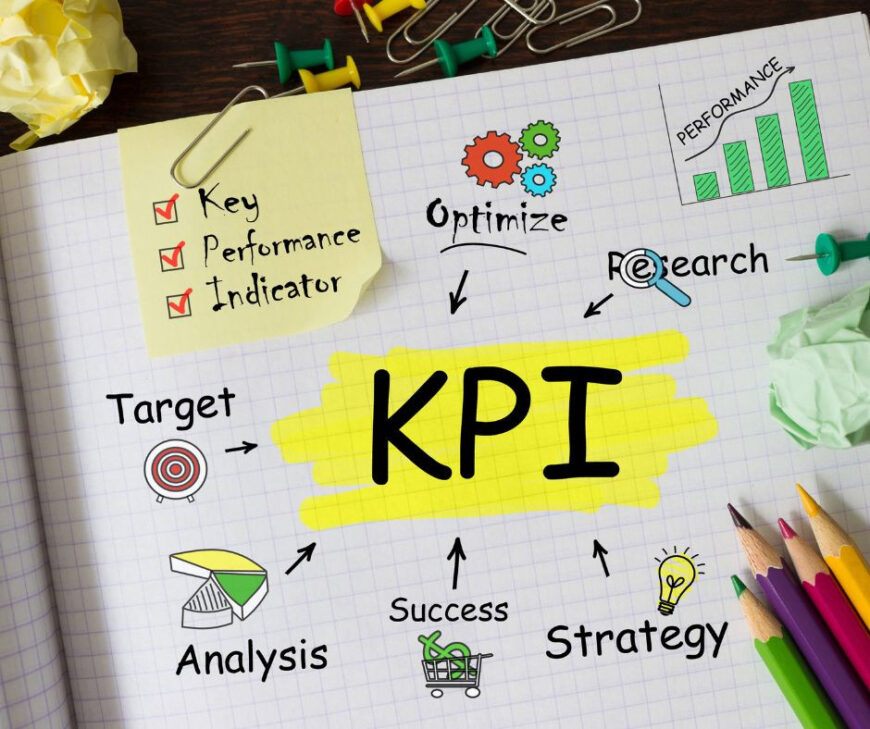
The adage “if you can’t measure it, you can’t manage it” particularly resonates with nonprofits seeking growth. Establishing clear Key Performance Indicators (KPIs) is a crucial step in evaluating development initiatives. These metrics must align with an organization’s broader mission, directly connecting back to core objectives.
Essential Metrics to Track for Organizational Growth
Determining the right KPIs enables nonprofits to gauge their impact effectively. So, which metrics should organizations focus on? Here are some key examples:
- Donor retention rate: Elevated retention rates reflect strong donor relationships and overall satisfaction.
- Program delivery metrics: Monitor how well programs meet their goals in terms of service delivery.
- Volunteer engagement levels: Assess the number of active volunteers and their contributions.
Keeping track of these metrics offers invaluable insights, allowing nonprofits to make necessary adjustments swiftly. Technology can play a major role here. Utilizing dashboards or reporting tools provides a visual representation of data, making it more accessible and easier to share.
Using Data to Inform Decision-Making and Strategy
Embracing data-driven decision-making doesn’t just clarify the situation; it strengthens strategy development. How can nonprofits utilize data effectively? Starting with integrating survey feedback allows for program adjustments based on community input. Conducting needs assessments can help prioritize initiatives that truly resonate with stakeholders. Nobody wants to invest effort into programs that miss the point.
Consider leveraging predictive analytics to grasp emerging trends within the community or sector. This forward-thinking approach ensures organizations are a step ahead. Here’s how:
- Conduct regular evaluations: Periodic assessments help maintain alignment with overarching goals.
- Implement agile methodologies: Employ adaptable strategies that facilitate quick changes based on data insights.
- Engage stakeholders: Collaborative evaluations with boards and staff ensure everyone is on the same page when interpreting data.
By fully embracing data, nonprofits not only prepare themselves for the future but also affirm their dedication to accountability and transparency.
Nonprofit organizational development consulting isn’t just a luxury; it stands as an essential component for growth and sustainable impact. Armed with the right strategies and collaborations, nonprofits can navigate challenges effectively. This field exemplifies the dynamic relationship between external knowledge and internal expertise. Allowing consultants to take the lead can yield substantial transformations, driving nonprofits towards genuine success.