Durability plays a vital role in underground electrical enclosures due to the relentless exposure to harsh conditions like moisture, shifting earth, and aggressive chemicals, which can harm poorly designed systems.
NEMA ratings, including NEMA 4, NEMA 6, and NEMA 6P, outline the protection levels against water and dust-key factors for choosing the right enclosures in a variety of environments.
Investing in high-quality underground enclosures curtails long-term maintenance costs and possible downtime, yielding substantial operational savings and boosting reliability over a tunnel’s lifetime.
Many modern enclosures leverage advanced materials such as high-performance polymers and composites. These innovations enhance corrosion resistance while simplifying installation, without compromising on protection.
Design elements in today’s enclosures, like ergonomic handles and internal monitoring systems, improve functionality and efficiency. Such features ease maintenance efforts and help avert unexpected failures.
Energy-efficient designs in enclosures can lower operational costs while supporting sustainability goals-thanks to reduced energy loss via thermal insulation and well-optimized ventilation systems.
Proper installation combined with regular maintenance is crucial for the performance and longevity of underground enclosures. Active measures can help avert serious issues linked to environmental factors.
Why Choosing the Right Underground Electrical Enclosure Matters
Evaluating Durability for Harsh Environments
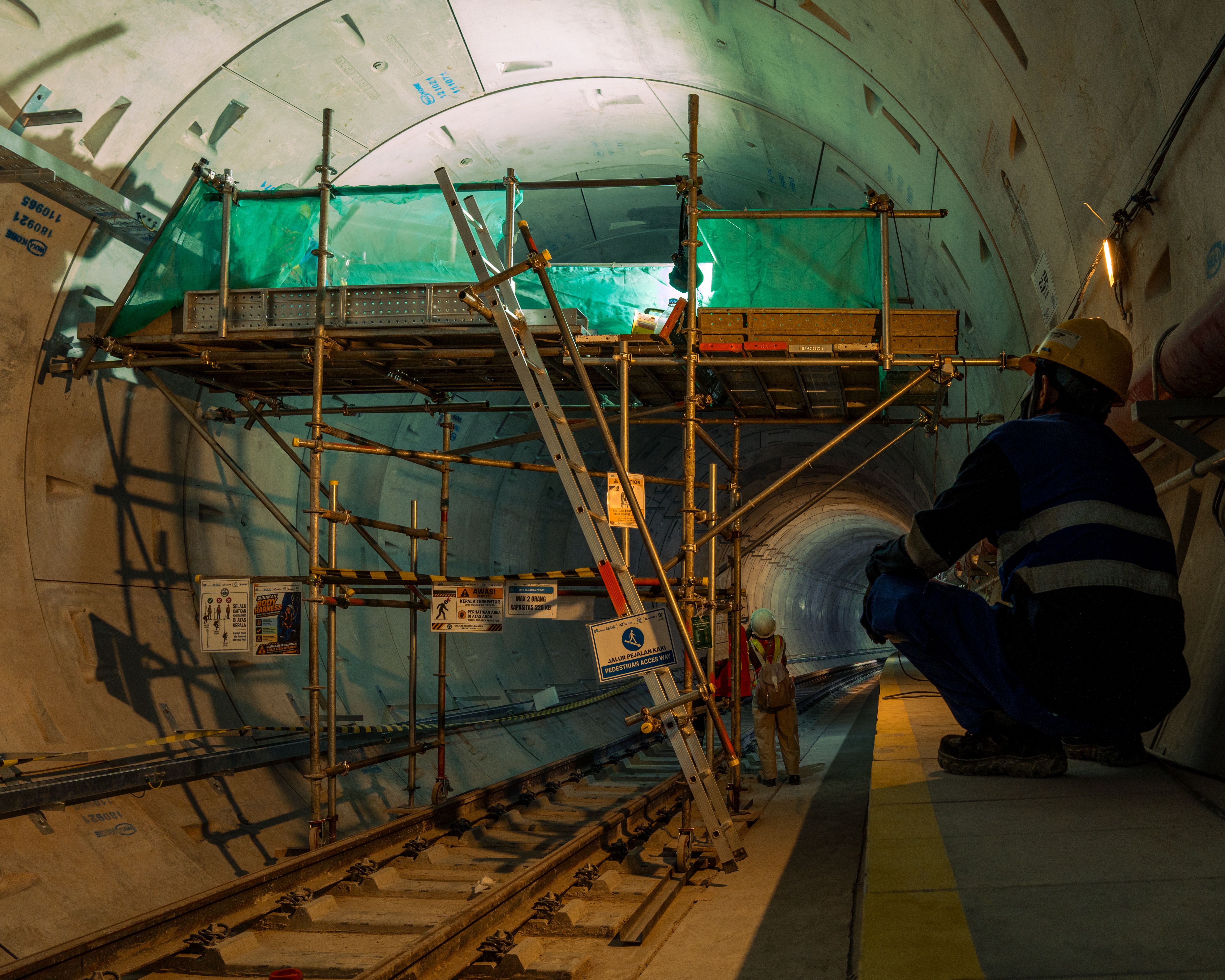
In the realm of underground electrical enclosures, durability isn’t just important; it’s non-negotiable. Tunneling operations expose electrical systems to extreme conditions that can severely damage inadequately designed enclosures. Experts understand that factors like soil composition, moisture levels, and fluctuating temperature ranges are critical in assessing how well an enclosure can endure its environment.
Electrical equipment often faces risks from aggressive chemicals, shifting earth, and even unanticipated water ingress. The choice of materials, vents, seals, and structural components can dramatically influence operational smoothness versus costly repairs. Enclosures crafted from high-grade polymer or stainless steel deliver resistance against corrosion while bolstering tensile strength. Consideration of the enclosure’s placement is essential. Is it positioned in a wetland or beneath heavy traffic? Such questions can significantly steer material choices and design features, thereby enhancing durability.
Key NEMA Ratings Explained for Effective Protection
Grasping NEMA ratings is imperative for selecting the appropriate enclosure. These ratings detail the specific protection levels each enclosure offers against environmental factors. Rating systems like NEMA 4, NEMA 6, and NEMA 6P clarify the barriers available against water and dust infiltration. Each rating meets distinct requirements, easing the process of identifying the best-fit solutions.
- NEMA 4: Shields against water splashes, dust, and some corrosive materials.
- NEMA 6: Delivers robust waterproofing, often applied in severe conditions.
- NEMA 6P: Provides total protection from submersion in water-ideal for tunneling and underground applications.
By aligning the specifics of a project with the right NEMA rating, electrical engineers can enhance both safety and functionality. By protecting sensitive electrical systems, longevity and optimal performance are ensured, thus avoiding unnecessary disruptions in tunneling operations.
Impact on Long-Term Maintenance and Reliability
Choosing the correct underground electrical enclosure significantly influences long-term maintenance needs and reliability. Fewer failures translate to lower maintenance costs and less downtime. A well-chosen enclosure can endure environmental stresses, resulting in less frequent servicing, directly affecting operational expenses.
Clients frequently see marked savings when they opt for higher-quality choices initially. Additionally, reliable enclosures minimize unexpected repairs, reduce liability concerning electrical faults, and maintain system integrity throughout a tunnel’s operational lifetime. It’s a wise decision; after all, in the world of tunneling, every minute really does matter.
Innovative Features of Modern Underground Enclosures
Advanced Materials for Enhanced Performance
Today’s underground enclosures have evolved far beyond standard boxes; they represent advanced solutions crafted from materials that surpass traditional options. High-performance polymers offer excellent corrosion resistance, while specialized coatings protect against chemical damage and physical wear. Each material presents unique advantages suited to various operational needs.
Composite materials are redefining possibilities by offering favorable weight-to-strength ratios, simplifying installation without compromising protection. As professionals consistently test and validate these materials under real-world conditions, new applications continue to emerge, driving innovation in this sector.
Smart Design Elements That Improve Functionality
As requirements change, designers are fitting enclosures with intelligent features. Ergonomic handles for easy access and removable panels streamline maintenance tasks. Monitoring systems that track internal conditions, such as temperature and humidity, foster proactive management. These enhancements help lower the chances of unexpected failures while improving overall system efficiency.
“Embracing intelligent design in underground electrical enclosures could redefine maintenance workflows.”
Energy Efficiency Considerations in Enclosure Design
Energy efficiency stands as a crucial aspect of modern enclosure design. Enclosures affect not only the safety of electrical components but also their energy consumption. Options like thermal insulation and well-engineered ventilation systems help reduce energy loss, making them more environmentally friendly.
- Insulated enclosures enhance efficiency by preventing heat loss.
- Energy-efficient designs curtail unnecessary power usage.
- Smart configurations promote optimal airflow, extending equipment lifespan.
When implemented effectively, energy-efficient enclosures reduce operational expenses while furthering sustainability goals. This isn’t merely a trend; it’s a fundamental change in how operations must be conducted responsibly and efficiently.
Case Studies: Successful Applications in Tunneling Projects
Outcomes from Recent Projects with SLAYSON Solutions
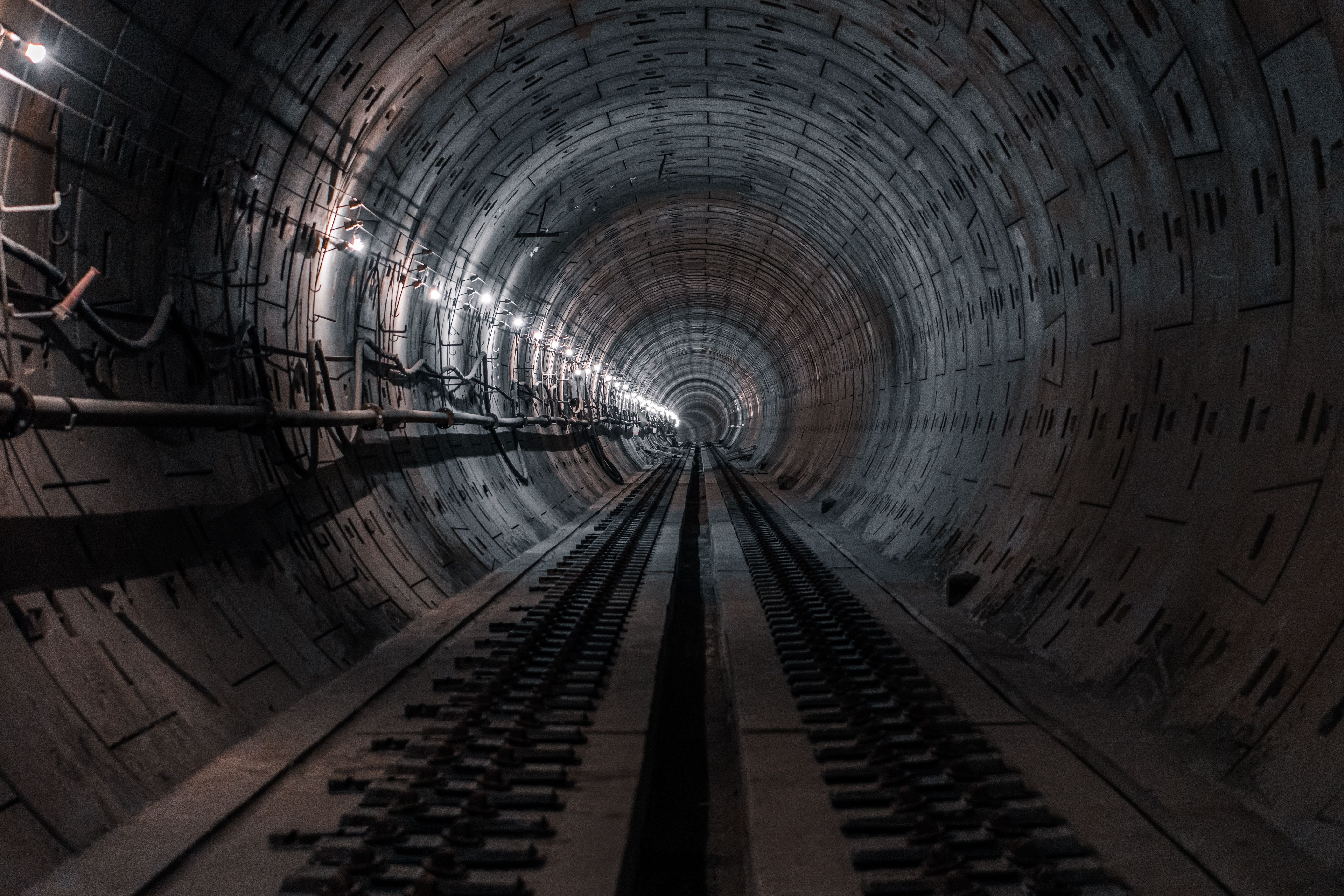
SLAYSON has built a reputation for quality through partnerships with various leading tunneling companies. Recent collaborations demonstrate the concrete advantages of selecting high-performance underground electrical enclosures. For instance, a major infrastructure project in an urban subterranean setting highlighted the utilization of NEMA 6P rated enclosures.
The results spoke volumes: lower maintenance incidents, better equipment availability, and improved safety measures. Actual project outcomes show that careful planning and material selection yield high performance in real-world conditions.
Challenges and How Enclosures Overcame Them
Challenges during tunneling can be numerous, but poorly specified enclosures often amplify problems. One such project encountered unexpected water ingress threatening electrical components. By quickly transitioning to NEMA 6P enclosures, the team mitigated risks and ensured operational integrity. This adaptability is vital when navigating unpredictable environments.
“Choosing the right enclosure is as important as the installation itself; it’s a linchpin in project success.”
Flexibility in selecting enclosure types to tackle challenges underlines their importance in tunneling applications. It’s not limited to waterproofing; it involves comprehensive risk management.
Feedback from Industry Leaders on Performance
Industry leaders frequently provide insightful performance indicators when evaluating enclosure effectiveness. Feedback reveals that close alignment with project specifications greatly boosts overall satisfaction. Collaboration between installation teams and manufacturers produces tailored solutions that fulfill job-specific requirements.
- Performance metrics illustrate reduced downtime.
- Enhanced resistance to environmental factors.
- High ratings in post-installation evaluations among teams.
All this feedback presents a consistent narrative: the success of tunneling projects relies on choosing reliable enclosures that perform well under challenging conditions.
Best Practices for Installation and Maintenance
Steps for Optimal Installation Under Ground Conditions
Effective installation lays the groundwork for enclosure performance. It’s not simply about placing an enclosure; professionals suggest following specific steps such as ensuring proper alignment, secure attachments, and checking environmental conditions before the installation begins. Engineers must prioritize adaptability to geological changes.
- Conduct detailed pre-installation site assessments.
- Thoroughly review technical specifications ahead of installation.
- Utilize tools and techniques tailored for subterranean settings.
Adhering to these steps can minimize installation errors that could lead to complications later on. It’s all about building a foundation for long-lasting success.
Regular Maintenance Tips for Longevity
Maintenance doesn’t have to be complicated; a little effort goes a long way. Regular inspections and cleaning are vital for keeping enclosure integrity intact. Simple routines, such as checking seals and confirming protective features, can greatly prolong an enclosure’s service life. Staying proactive with maintenance often translates into long-term savings in operational costs.
- Schedule regular inspections to identify problems early.
- Establish a cleaning routine for debris-prone areas.
- Document changes and repairs to improve maintenance strategies.
Professionals understand that attention to detail during maintenance translates into benefits over time. These efforts ultimately ensure sustained operational efficiency and reliability.
How Environmental Factors Influence Lifespan and Efficiency
Environmental conditions significantly affect the lifespan of underground enclosures. Factors like soil type, water saturation, and temperature variations all influence an enclosure’s performance. A solid comprehension of these elements is essential for guaranteeing longevity and efficiency.
Selecting the right materials based on thorough environmental analysis can prevent severe issues. Proactive risk assessments about soil erosion or water ingress can inform decisions and enhance enclosure performance.
“Anticipating environmental impacts fosters smarter decisions and promises superior performance.”
Being proactive about potential challenges isn’t just good practice; it’s crucial for safeguarding investments in safety and operational efficacy.
FAQ
What factors influence the selection of materials for underground electrical enclosures?
Material choices hinge on their resistance to corrosion, mechanical strength, and suitability for local environmental conditions. Soil composition, moisture levels, and potential chemical exposure are critical aspects guiding whether polymer, stainless steel, or composite materials are most suitable.
How do smart features in enclosures enhance operational efficiency?
Incorporating smart features, like internal monitoring systems and ergonomic designs, simplifies maintenance and boosts operational control. Sensors can relay real-time data regarding temperature and humidity, promoting proactive management and decreasing the chance of surprise failures.
Are there specific best practices for maintaining underground electrical enclosures?
Absolutely. Regular inspections coupled with timely cleaning are essential for maintaining enclosure integrity. Establishing a routine that includes checking seals, tracking repairs, and adapting strategies based on data gathered can avert long-term issues and bolster longevity.
What role does energy efficiency play in the design of underground enclosures?
Energy efficiency is crucial for lowering operational costs and supporting sustainability objectives. Designs featuring thermal insulation and optimized airflow help reduce energy loss while also prolonging the lifespan of the electrical components contained within them.
How can engineers effectively assess environmental risks before installation?
Executing detailed pre-installation site assessments is vital for grasping the unique challenges posed by the surrounding environment. This thorough analysis should include evaluating soil conditions, potential water ingress risks, and climatic influences to guide material and installation strategy choices.
What insights do industry leaders share regarding enclosure performance?
Leading professionals highlight the significance of aligning project specifications with enclosure attributes. High-performance enclosures generally lead to reduced downtime and greater resilience against environmental stressors, enhancing overall satisfaction amongst engineering teams and clients alike.
How does the longevity of an enclosure impact overall project costs?
A durable enclosure substantially cuts down on maintenance needs, resulting in cost savings over time. Fewer unexpected repairs combined with enhanced durability enables uninterrupted operations, ultimately protecting the financial well-being of tunneling projects.
What specific challenges can high-performance enclosures help mitigate during tunneling operations?
High-performance enclosures are engineered to tackle issues such as water ingress and chemical exposure, which can jeopardize electrical systems. By selecting robust types like NEMA 6P rated enclosures, teams can effectively manage these risks and maintain operational integrity amid uncertain environmental conditions.