Munich’s historic center is one of the most walkable urban cores in Europe. Visitors often expect a sprawling layout but discover that major churches, plazas, museums, and green spaces sit within a compact radius.
A good attractions map helps first timers understand how Marienplatz, Odeonsplatz, Viktualienmarkt, and Königsplatz connect into a smooth sightseeing flow. This article gives you exactly that structure.
You will find a mix of key landmarks, short orientation tips, and formatted sections that clarify how to navigate the area without stress. Each part is designed to be practical, readable, and helpful to anyone planning a day or two in Munich’s central zone.
How The City Center Fits Together
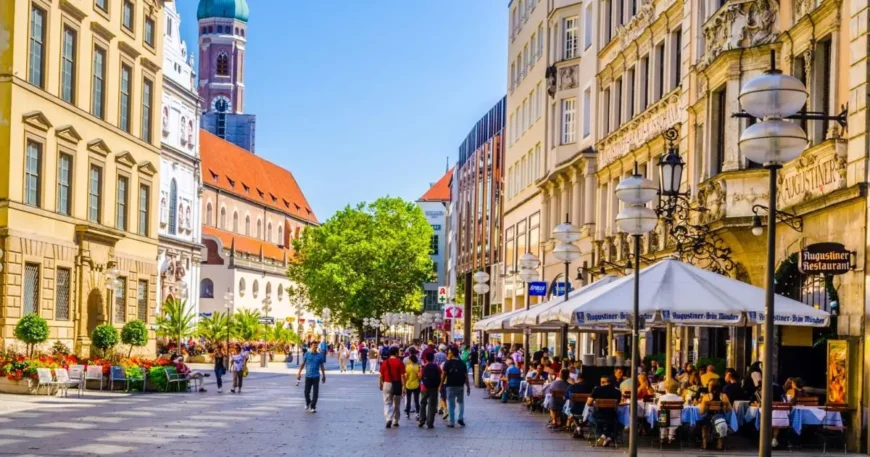
Munich’s core follows a circular pattern rather than a grid, shaped by centuries of development around Marienplatz. Pedestrian streets stretch outward like quiet spokes, linking the main squares with markets, churches, and palace gardens.
This layout makes the city intuitive for newcomers who rely on a simple map. Once you stand in Marienplatz, almost everything described here is a short walk away. The inner district is less than two square kilometers in total area, which explains why visitors can easily cover so much in a single day.
Did you know?
The pedestrian zone starting at Karlsplatz and ending at Marienplatz is one of the oldest permanent car free zones in Germany, introduced in 1972 ahead of the Summer Olympics.
Where Plans, Experiences, And Evening Routes Connect
Munich appeals to different types of visitors, from museum lovers to market grazers to travelers who plan refined evening programs. Because the entire center is compact, people often arrange their late afternoon and nightlife schedules around the same areas they just explored.
For those interested in private companionship or upscale personal hosting, it is common to combine sightseeing with venues in the old town.
That is why services such as München escort appear naturally during trip planning, since many high end restaurants and lounges sit steps from major landmarks. Understanding this physical layout helps travelers sequence their day more comfortably.
Marienplatz And Its Surrounding Streets
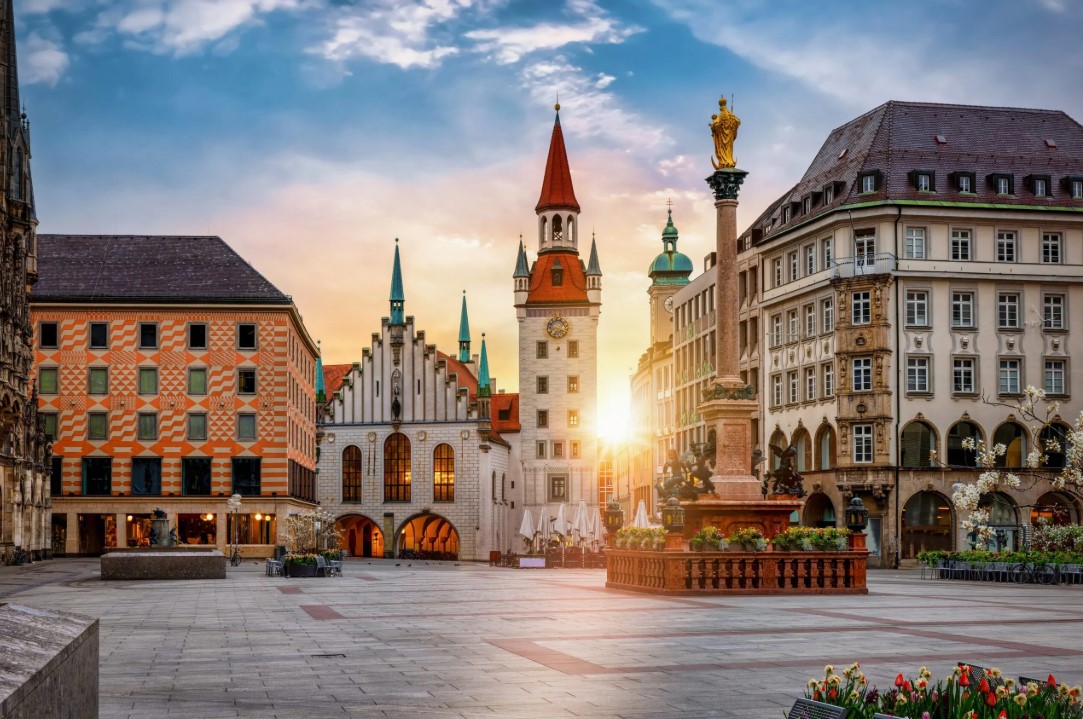
Marienplatz acts as the emotional anchor of Munich. The Neues Rathaus dominates the square, and its tower offers sweeping city views. Crowds gather daily to watch the Glockenspiel at 11 a.m. and 12 p.m. because the animated figures reenact historical Bavarian events.
The area also holds dozens of short passageways that lead toward Frauenkirche and Kaufingerstrasse. Visitors consistently start here because it sets the tone for the rest of their walk. Everything feels interconnected in a way that makes navigation simple, even without digital maps.
Key stops around Marienplatz include:
- Neues Rathaus viewing platform
- Frauenkirche and its twin domes
- Old Town Hall and the entrance to market lanes
- Kaufingerstrasse, the main pedestrian corridor
Viktualienmarkt And The Southern Lanes
Viktualienmarkt is one of the liveliest spots on any Munich attractions map. It brings together local produce, Bavarian specialties, flower stands, bakeries, and a centrally placed beer garden.
Many travelers use it as a mid route break because it offers quick snacks and shaded seating that help balance a busy day. A quick walk through this market reveals how deeply food culture is woven into daily life.
According to the official Munich Tourism Market Overview, Viktualienmarkt has operated as a continuous food market for over 200 years. Just south of the square, you will find small alleys leading to Heiliggeistkirche and artisan shops that feel far removed from the busy plazas.
Subnote:
The Viktualienmarkt beer garden rotates its main brewery regularly, a practice unique among major Munich beer gardens.
Odeonsplatz And The Northern Quarter
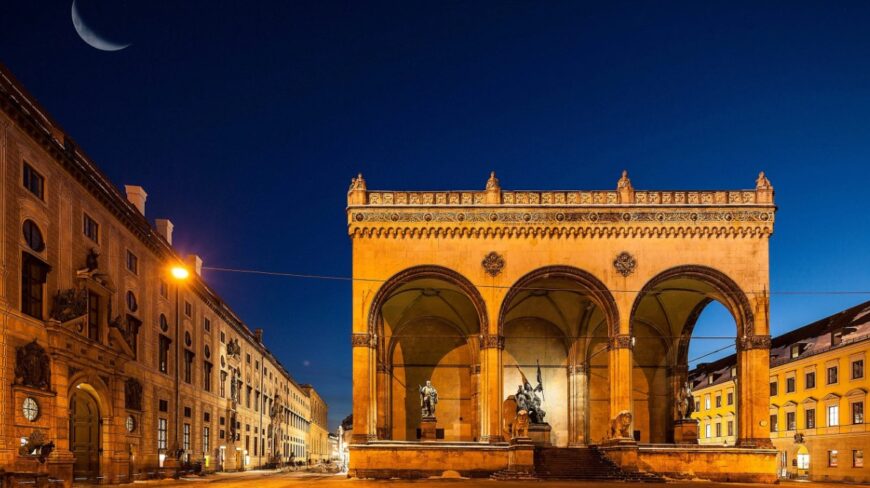
Odeonsplatz acts as the northern gateway to the historic center. Its architecture feels more regal compared to the old town, thanks to the influence of Bavarian royals who shaped this area during the seventeenth and eighteenth centuries. The square links directly to the Hofgarten, Theatinerkirche, and the entrance paths of the Residenz.
| Attraction | Why It Matters |
| Theatinerkirche | Distinctive yellow façade and Italian influence |
| Hofgarten | Peaceful garden with symmetrical paths |
| Feldherrnhalle | Historic ceremonial structure |
| Residenz entrance | Gateway to palace museums and courtyards |
This cluster forms one of the cleanest orientation points on any Munich attractions map. From here, visitors can turn toward Ludwigstrasse, head into the gardens, or continue exploring through the palace complex.
Königsplatz And The Museum Quarter
Königsplatz stands apart from the old town in both its neoclassical architecture and its calmer atmosphere. The square was designed in the nineteenth century and today serves as the anchor for Munich’s museum district.
Wide lawns and marble façades give it an open, almost academic feel. It is an ideal place for visitors who enjoy art, archaeology, and photography. The surrounding museums cover different eras and styles, all within short walking distances.
The most significant museums here are:
- Glyptothek with Greek and Roman sculptures
- Staatliche Antikensammlungen for antiquities
- Alte Pinakothek for European masters
- Pinakothek der Moderne for contemporary art
- Museum Brandhorst for modern collections
Southern Entry Points To The English Garden
The English Garden stretches for more than five kilometers along the Isar River, but its southern entry points sit very close to the city center.
Visitors typically enter through the Hofgarten side or near the Eisbach River. These access points let travelers enjoy shaded paths, open lawns, and riverside scenery without committing to a long trek.
According to Munich’s official park statistics, the English Garden covers approximately 375 hectares, making it one of the largest urban parks in the world.
The English Garden is larger than Central Park in New York and Hyde Park in London.
Conclusion
Munich’s city center is an ideal place for travelers who enjoy compact routes, architectural variety, and smooth transitions between cultural and outdoor experiences.
With a simple attractions map and an understanding of how the major districts connect, visitors can explore effortlessly. Each landmark sits close enough to be included in a half day or full day itinerary, allowing travelers to combine markets, churches, palace museums, and green spaces without rushing.
The result is a comfortable, memorable, and visually rich introduction to one of Europe’s most welcoming historic cities.